
Mixed Home Textile RFQs: Separate Every Line
A mixed home textile RFQ should give each product its own reference, supplied scope, quantity unit and approval requirements. Keep shared commercial questions in a separate section. Ask the supplier to mark missing information rather than applying one product’s material, packing or sample terms to every item in the proposed assortment.
An enquiry for wholesale indoor home textile products often combines visually related merchandise with very different order definitions. Cushion covers and fabric ornaments may belong in the same seasonal collection, yet they should not share an undefined quotation line. A useful RFQ makes the assortment easy to price and review without suggesting that every catalogue item has identical materials, construction or packing requirements.
Give every proposed item a stable identity
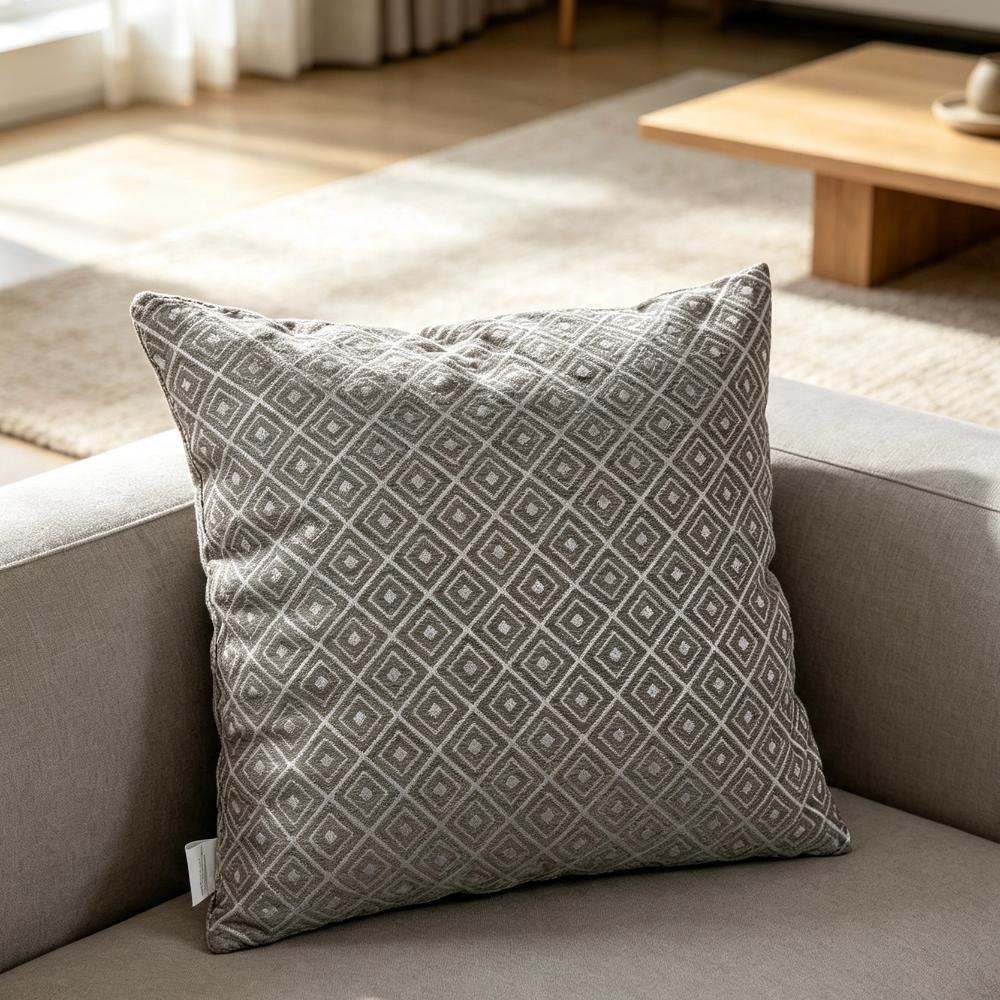
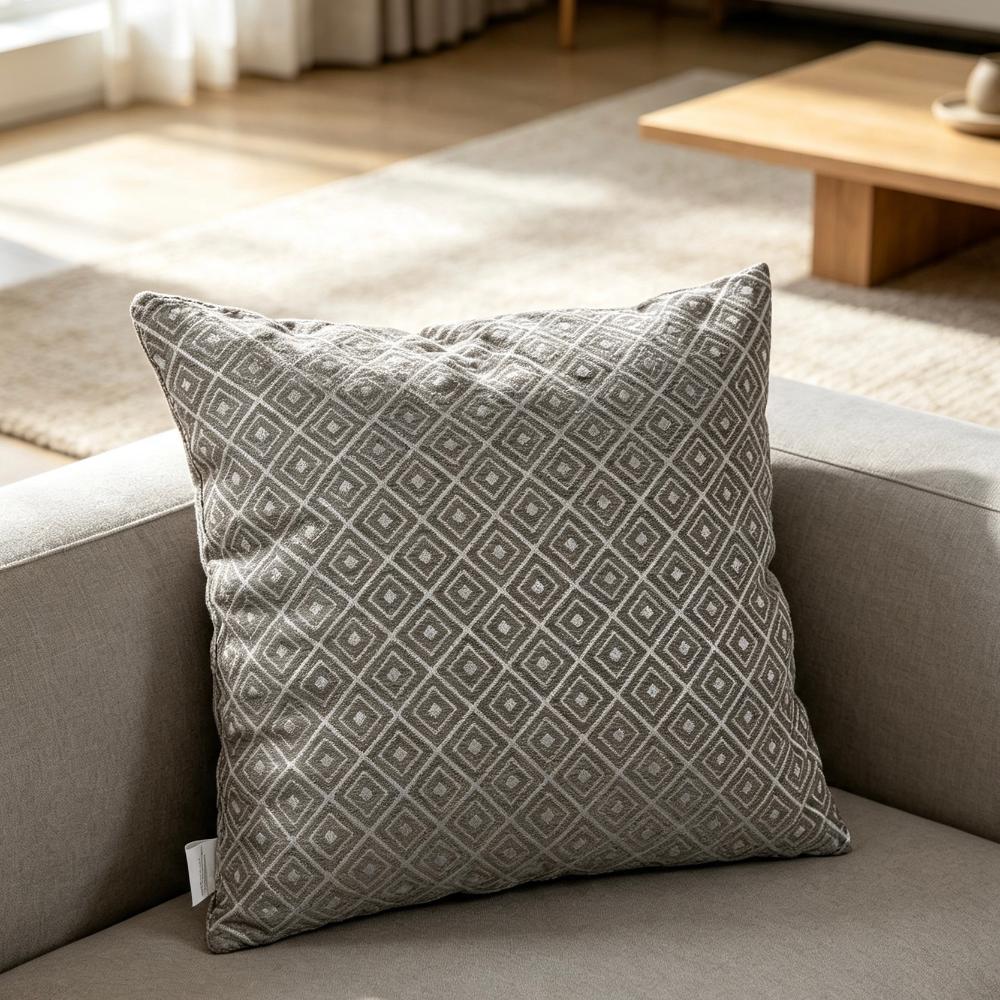
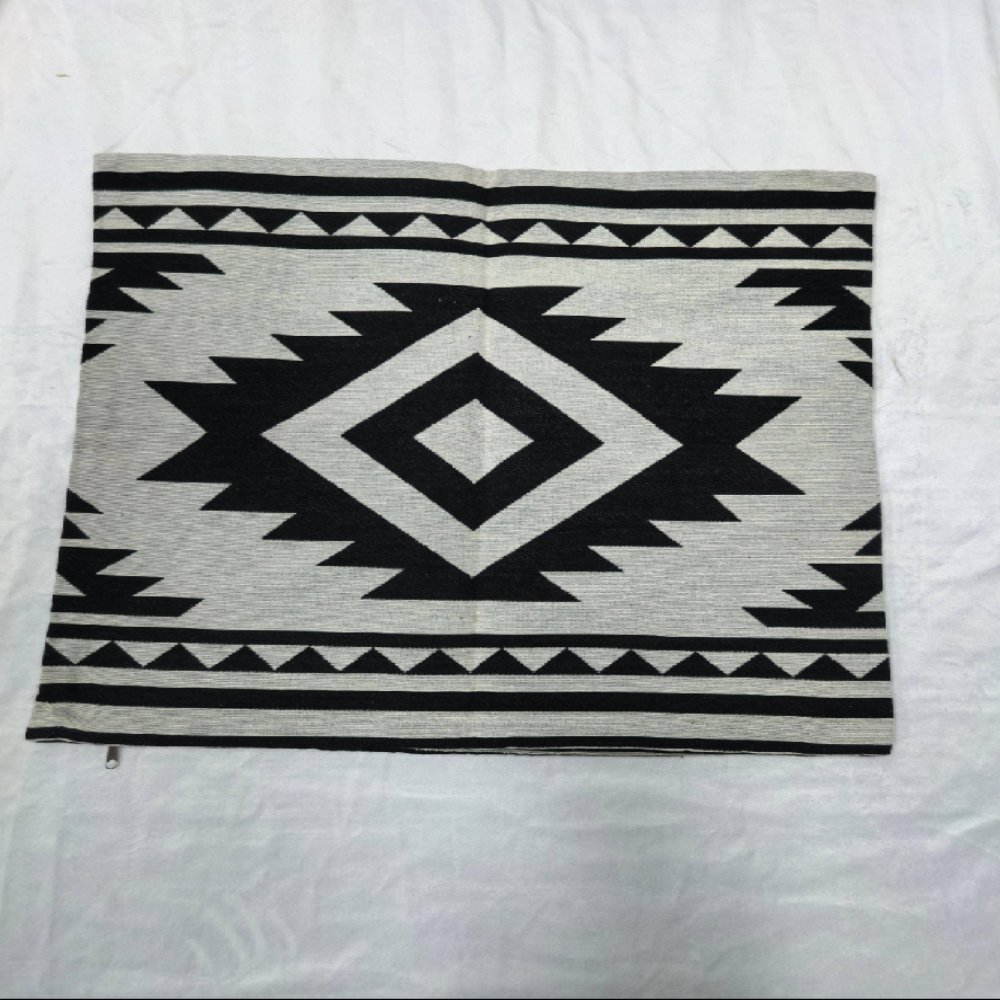
Start with a product link, supplier reference and buyer line number. The diamond jacquard cushion cover and geometric poly cotton cover are separate catalogue references. Even if both enter the same room collection, keep their descriptions and requested variants on different lines so the supplier can respond without merging them.
Attach an annotated selection image when appearance matters, and identify it with the same line number. Avoid relying on a screenshot containing many products without indicating the chosen one. If a reference is only a starting point for customization, label it accordingly and describe the requested changes. This prevents a quotation for an existing item being mistaken for approval of a new design.
- Use one buyer line number per product and variant
- State the unit and supplied scope beside each quantity
- Separate requested details from confirmed answers
- Keep a dated RFQ revision and unresolved question list
Define what the quantity actually counts
Write the unit beside each quantity: individual cover, filled cushion, ornament or agreed retail set. A number without a unit can hide a major difference in scope. Record whether accessories, inserts or retail packaging are included, excluded or awaiting confirmation. Do not let a styled image decide what is commercially supplied, particularly when several objects appear together.
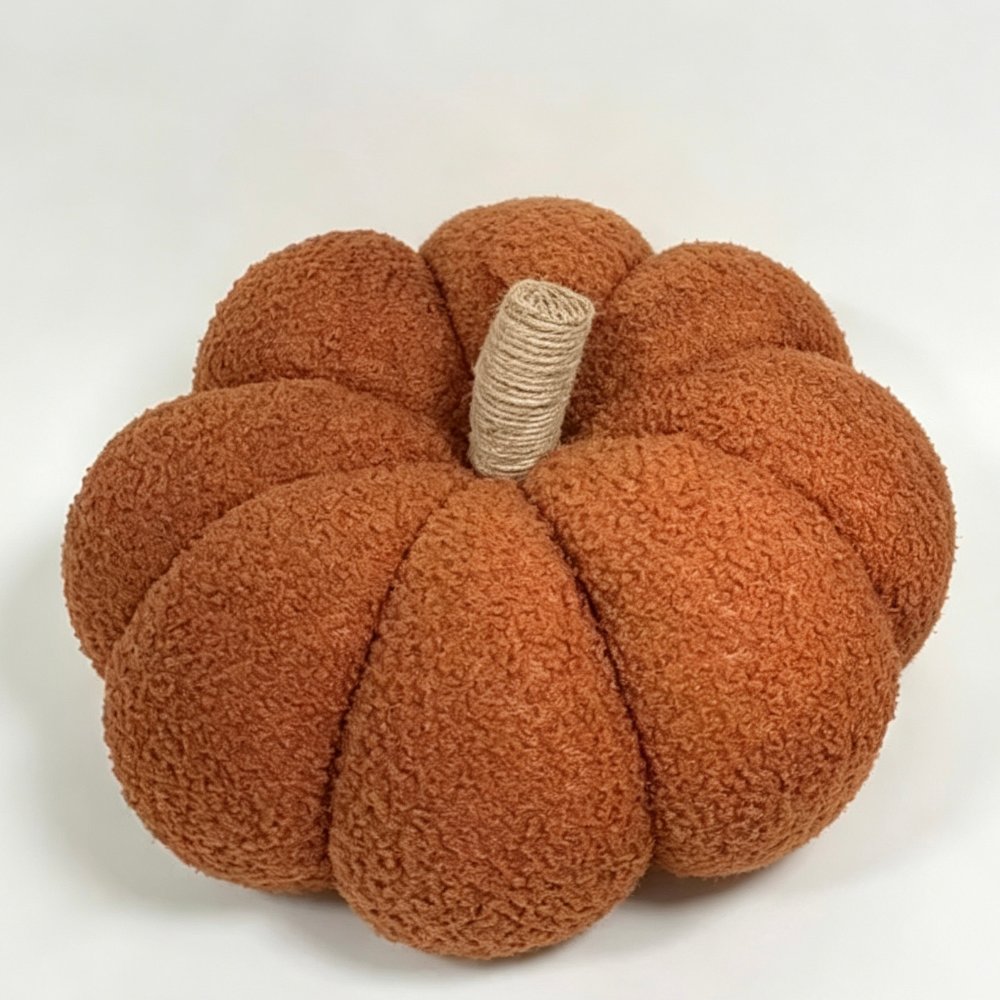
The teddy fleece pumpkin reference can sit beside cushions in an assortment, but its decorative form requires a separate description. Ask the supplier to quote the chosen variant in the requested unit. If an assortment has multiple colours, list the quantity breakdown explicitly rather than leaving the total to be divided informally.
| RFQ area | Example entry | Avoid assuming |
|---|---|---|
| Identity | Product URL and buyer line code | Similar images mean identical items |
| Supplied scope | Cover only or agreed set contents | Display props are included |
| Quantity | Units and variant breakdown | A total defines the assortment |
| Approval | Sample revision and open questions | A catalogue description settles every detail |
Keep product questions on the relevant line
For a cover, questions may concern the closure, selected pattern face and empty cover measurements. For a fabric ornament, they may concern shape, stem details and packed arrangement. Put these questions where the supplier can answer for the exact reference. A single general instruction such as standard quality cannot describe acceptance expectations across the entire enquiry.
Use a status column for missing information. Distinguish a buyer requirement, a catalogue description and a supplier-confirmed answer. For example, a desired size is a request until accepted; a catalogue fabric name is a source description until matched to the quoted item. Keeping these categories visible reduces the chance that a tentative enquiry becomes an unsupported purchase specification.
Separate common commercial terms from product scope
Ask shared questions once, in a clearly labelled commercial section: quotation currency, validity, sample charges, payment proposal and the basis for any delivery estimate. Request the supplier’s actual answer rather than filling in assumed terms. If a condition varies by item, move it back to the relevant line so the difference remains visible when quotations are compared.
Treat minimum quantities and production schedules as questions requiring confirmation for the selected assortment. A website’s general promotional wording does not settle an order-specific commitment. Likewise, request any required product evidence by line and intended market. Do not apply a certificate or test statement to the whole basket without checking its scope and relationship to the quoted references.
Compare quotations using the same revision
Give the RFQ a revision date and retain the supplier’s response against that version. If quantities, colours or packaging change, send a revised sheet showing what changed. Ask the supplier to confirm whether the earlier quotation still applies. Comparing answers to different assortment revisions can create apparent price differences that actually reflect different merchandise or supplied scope.
Before converting a quotation into an order, close the important unanswered fields and link the accepted samples to their line numbers. Leave unresolved items visibly pending. Review the supplier’s catalogue for selection, but make the final RFQ and confirmed response the basis for comparison. That gives purchasing, design and receiving teams a common record of what was actually requested.
Frequently Asked Questions
Can several home textile products share one quotation line?
Separate them when their identity, supplied scope or variant differs. Shared commercial questions can remain in a common section, with exceptions recorded by line.
Should an RFQ include a requested delivery date?
Yes, as a request for the supplier to evaluate. Obtain an order-specific response and keep it distinct from a general website delivery claim.
How should missing specifications be handled?
Mark the field pending and ask a targeted question. Do not copy another product’s specification merely to make the sheet appear complete.
Send a line-by-line assortment through Shusen Textile’s enquiry channel and request a response against the same revision. Visit the company blog for more buying guides.