
Cushion Cover Samples: Approve the Working Details
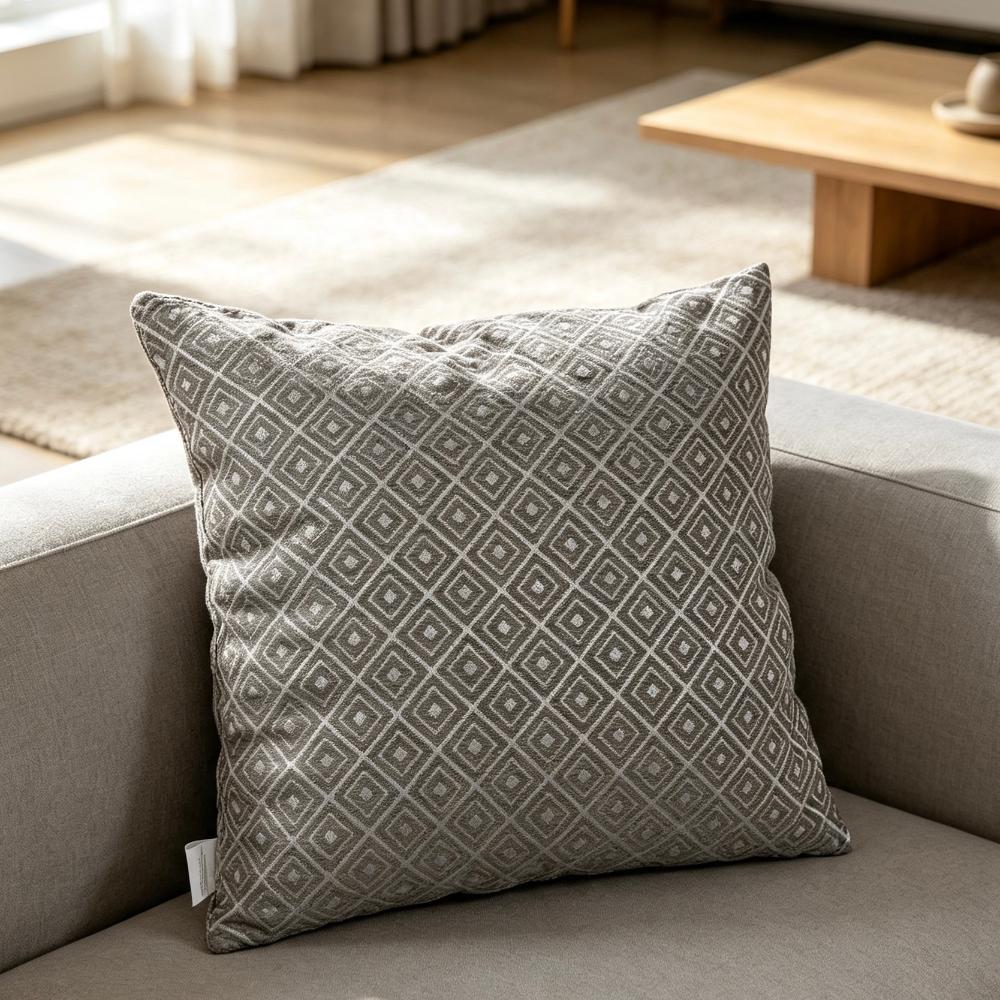
Approve cushion cover samples against a written record of the cover supplied, pattern orientation, closure operation and agreed measurements. Identify the insert separately and retain the accepted sample with dated photographs. A styled catalogue image can guide appearance, but the physical cover and confirmed order specification should control bulk acceptance.
For buyers of wholesale home textiles, cushions and covers, a sample can look right on a sofa and still leave important purchasing questions open. Is the quotation for a cover or a filled cushion? Which edge contains the closure? Which face carries the agreed pattern? Resolve these details while a sample can still be examined, rather than leaving a receiving team to interpret a lifestyle photograph.
Start with the exact cover being approved
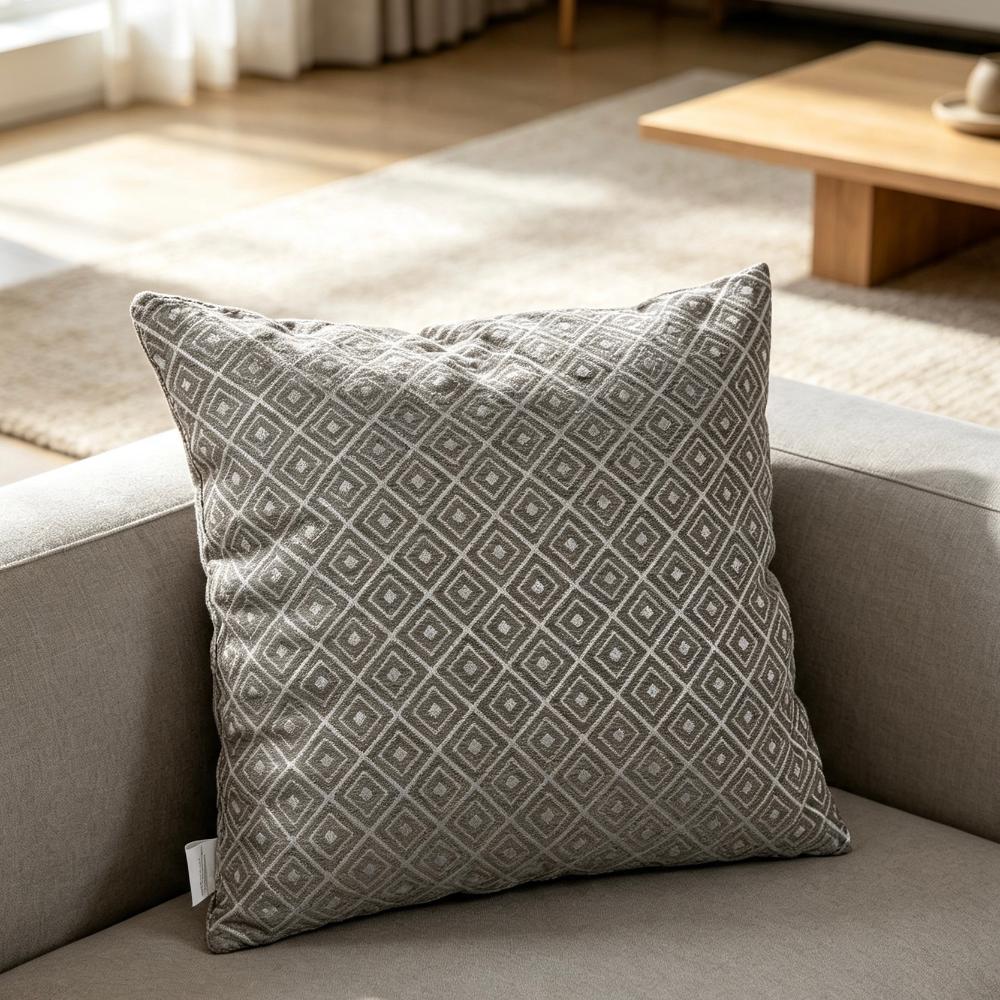
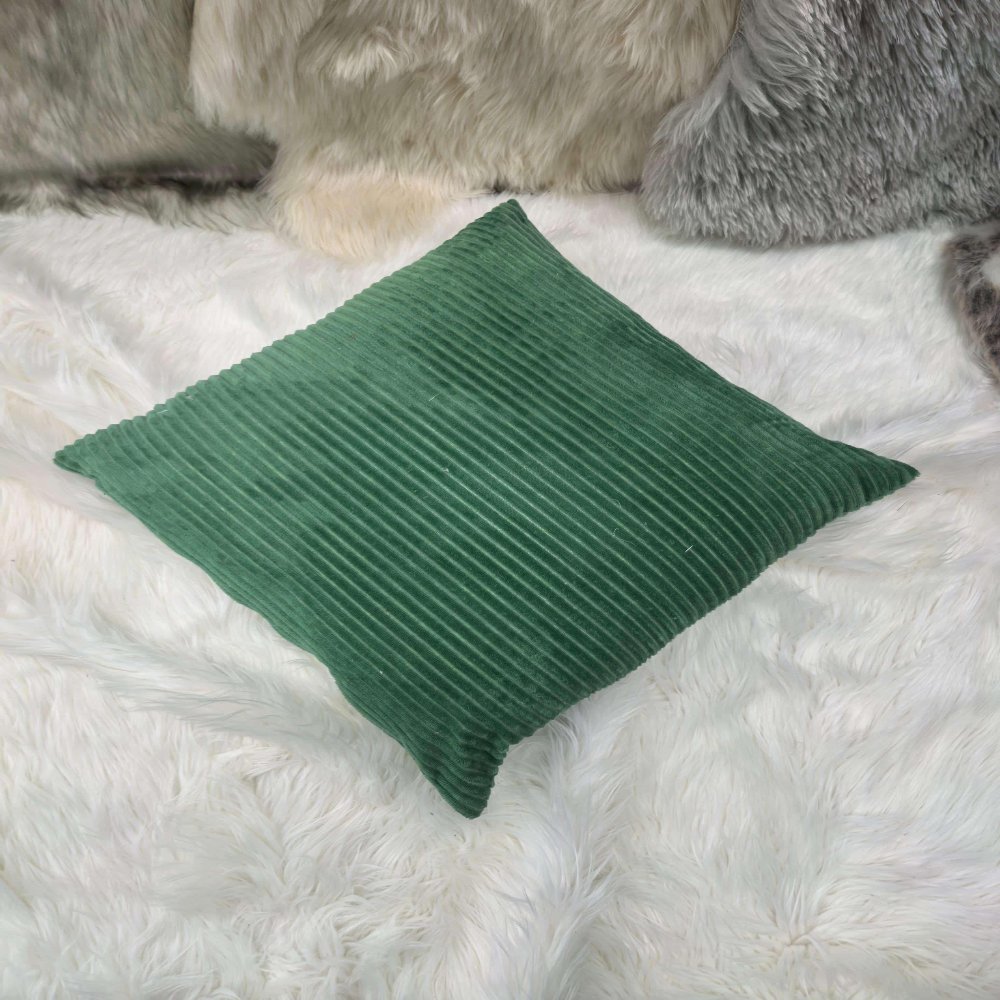
Shusen Textile lists several different cushion references. Its diamond jacquard cover is described as a square chenille cover with a geometric pattern. The striped flannel reference has a different surface and construction description. Record the selected product link and supplier reference together so the two cannot be substituted by a generic cushion name.
Write whether an insert is included, excluded or still awaiting confirmation. The filled appearance of a catalogue photograph does not settle that commercial question. If a buyer supplies an insert, identify that sample as a separate item and ask the supplier to confirm the intended fit before approving the cover. Keep the original enquiry and the supplier’s reply beside the sample record.
- Product URL, supplier reference and sample revision
- Cover-only or filled scope confirmed in writing
- Front, reverse and closure photographs retained
- Measuring condition and unresolved points recorded
Check the pattern and closure as separate features
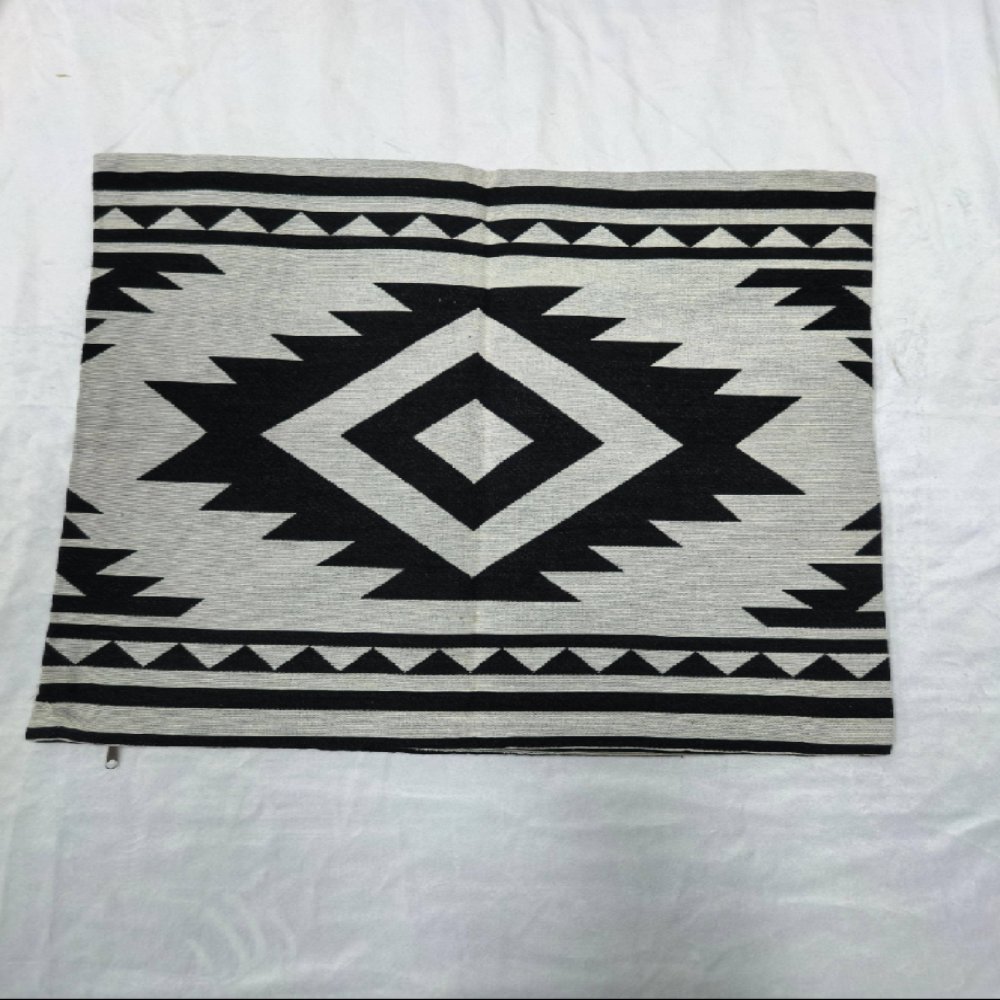
Lay the sample flat and photograph the front, reverse and closure edge under consistent lighting. Use a straight reference in the image to show pattern direction without presenting the photograph as a calibrated measurement. On a striped cover, record whether the stripes run vertically or horizontally in the buyer’s intended display. On a geometric cover, mark which face has been approved.
Open and close the supplied closure during the agreed sample check, then record any issue with the surrounding seam or access. The poly cotton cover page describes an invisible zipper, while other references have their own descriptions. Do not transfer one product’s closure detail to every style. Ask for a close photograph when the relevant feature is not visible.
| Check | Record from sample | Confirm before bulk approval |
|---|---|---|
| Identity | Reference and selected face | Exact style and supplied scope |
| Pattern | Direction and placement photographs | Approved repeat or arrangement |
| Closure | Type, location and access observed | Style-specific construction |
| Size | Method, units and measured result | Agreed production acceptance range |
Agree how dimensions will be recorded
Choose a repeatable measuring condition with the supplier: for example, a flat empty cover rather than a filled display cushion. Identify the edges being measured and the units used. Record the actual sample result in its own field and leave the acceptable production range for explicit agreement. A published nominal size should not silently become an acceptance tolerance.
If the sample is reviewed with an insert, also photograph the assembled shape and identify the insert used. Keep this fit observation separate from the empty cover measurement. Avoid promising that every nominally similar insert will produce the same fullness. A change of filling, insert construction or intended styling should trigger a new fit discussion rather than an automatic sample approval.
Keep appearance approval distinct from testing
A visual review can record colour arrangement, surface texture and visible sewing. It cannot establish composition, colourfastness, wash behaviour or suitability for a regulated use. Where those properties matter, request evidence for the exact product and intended destination. Tie any document to the selected reference and revision, and ask what the evidence actually covers before adding a claim to a retail listing.
Keep an accepted physical sample and a dated photograph set. Identify who accepted it and which points remain open. If a later sample changes the pattern, fabric, closure or dimensions, create a new revision instead of overwriting the earlier record. This lets purchasing and receiving teams trace a change without guessing whether an older photograph is still authoritative.
Release one clear sample decision
Use an explicit outcome such as accepted, accepted subject to listed changes, or resubmission required. For a conditional decision, describe each requested change and who must confirm it. A message saying only that the sample looks good is too vague to guide a later inspection. Send the same decision record to the supplier and the internal team handling the purchase order.
Before the order is released, reconcile the approved reference with the quotation, assortment quantities and packaging proposal. Sample acceptance does not confirm price, minimum quantity or delivery date. These remain commercial terms to agree separately. Review the current catalogue when choosing references, then use a short approval checklist that the supplier can answer point by point.
Frequently Asked Questions
Does a filled product image mean the insert is included?
No. Confirm the supplied scope in the quotation and sample record. Use a separate line for an insert and identify any buyer-supplied insert used during a fit review.
Can a photograph approve fabric performance?
A photograph supports an appearance discussion. For performance or composition claims, request suitable product-specific evidence and agree the requirement separately.
Should a revised sample replace the earlier record?
Retain both records with revision dates. State which version controls the order, and list the changes that required the new review.
Send your selected cover references and sample questions through Shusen Textile’s contact page. For more purchasing guidance, visit the company blog.